
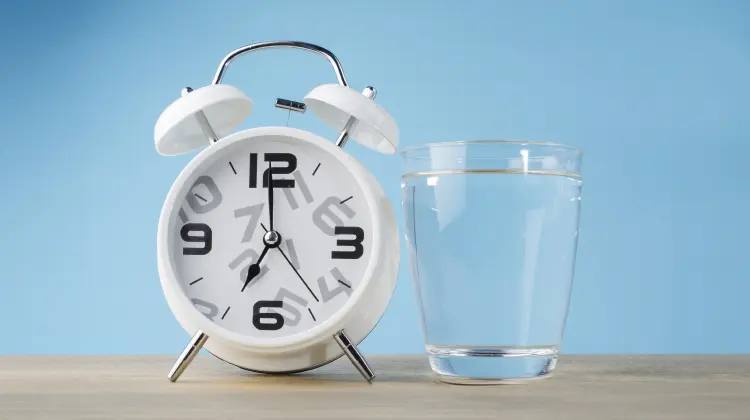

The Benefits & Dangers of Water Fasting
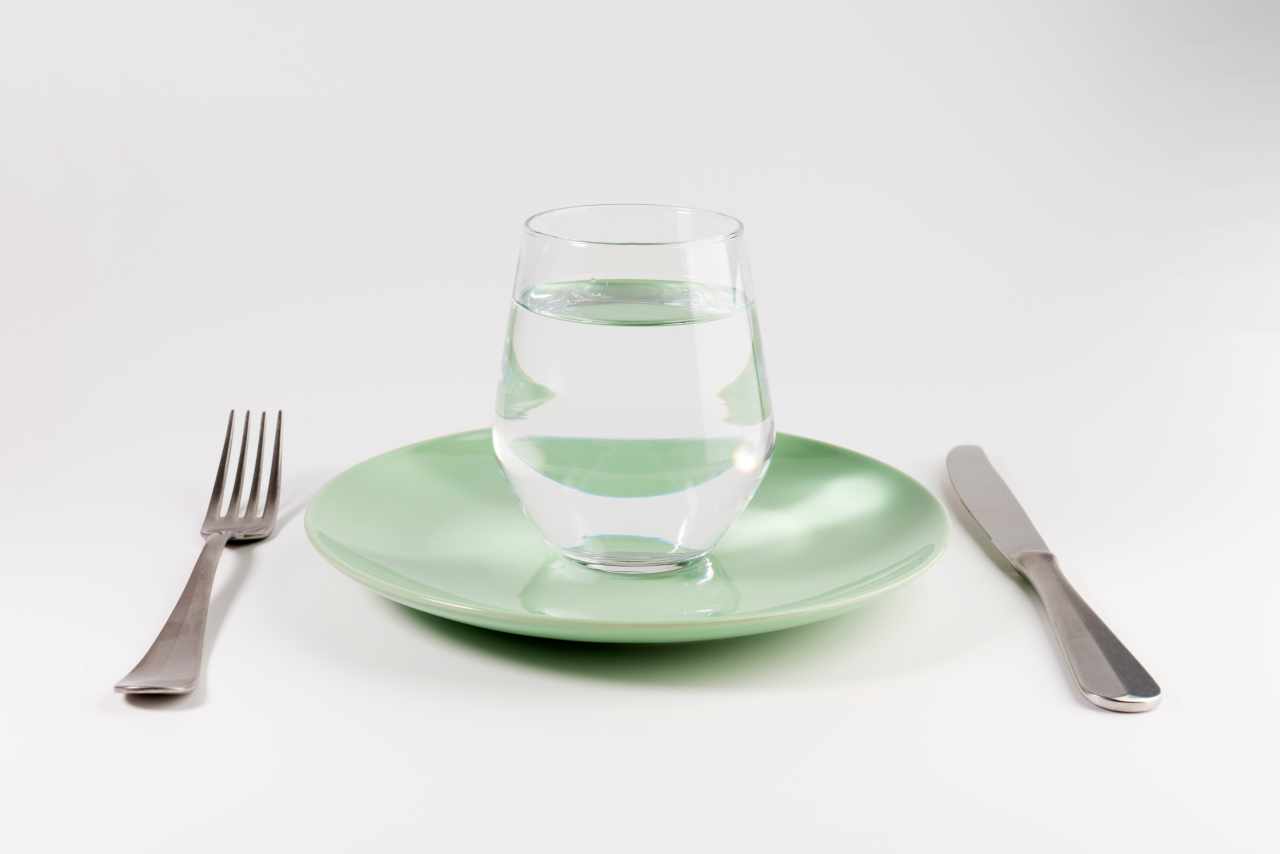
Over the years, fasting has become a popular method of losing weight. People also undergo water fasting for many reasons, such as for religious or spiritual reasons, or to combat other health problems. But how healthy is it really?
Despite the evident popularity of water fasting, it is important to keep in mind that there is no one-size-fits-all method to living a healthy lifestyle. It is an individualized process and different approaches may not work or even be reasonable for you.
In this article, we’ll go through what water fasting is, the benefits and dangers of putting your body through a water fast, and how to make sure you are doing it correctly and safely.
What is Water Fasting?
A water fast is when someone doesn’t consume any food and drinks other than water for a period of time. Due to the lack of research on the topic, there is no set time a water fast should last, but medical advice suggests it should last anywhere between 24 hours to a maximum of 72 hours, or in other words, three days.
Water fasting has become a popular method of losing weight as it is considered easier than exercise and cutting certain foods since it requires minimal effort.
Why Has Water Fasting Become So Popular?
Humans have likely been practicing water fasting for thousands of years, as our bodies have natural mechanisms that can help us adapt and survive without eating for several days. However, it first became popularized by Angus Barbieri in 1965.
Angus was vastly overweight, and after consulting his doctor, he decided to undergo a fast where he consumed only water, tea, coffee, soda water, and immune-boosting vitamins for 382 days. He lost up to 125 kg and surprisingly faced no abnormalities - although this is a unique incident. He even made it into the Guinness Book of World Records.
What Benefits Can You Get From Water Fasts? Are There Dangers to This Diet?
In addition to the weight loss caused by dieting, water fasting is believed to have the following health benefits:
• Lower blood pressure for people suffering from high blood pressure.
• Reduced risk of developing chronic diseases like diabetes, cancer, and heart disease.
• Increased effectiveness of key hormones like insulin and leptin that help regulate body fat.
• Improved autophagy, a process in which our bodies break down and recycle cells.
However, not enough reliable research has been done to support those benefits. The Academy of Nutrition and Dietetics has said that the best way to lose weight is to gradually start combining a healthy diet with exercise.

In fact, water fasting has been associated with many different negative effects, the three main ones being:
1. Dehydration - Although you’re only consuming water for this fast, it is still possible to suffer from dehydration since 20-30 percent of your regular water consumption comes from the food you eat. Thus, you may have to drink even more water than the recommended water per day to avoid getting dehydrated.
2. Nutrient deficiency - With water fasting, like any other fast, you may not be able to get enough nutrition for your body to function properly and effectively. This puts you at risk for nutrient deficiency because you won’t get essential nutrients, amino acids, electrolytes, and more.
3. Eating disorders - Water fasting also has the potential to worsen or trigger eating disorders like bulimia. It can prompt binge eating and lead to refeeding syndrome after a fast has been completed, which is a potentially fatal condition found in malnourished people.
Other negative effects caused by water fasting include:
• Lightheadedness
• Dizziness
• Nausea and vomiting
• Constipation
• Decreased muscle mass
• Exacerbated medical conditions
Due to the potential dangers surrounding water fasting, it is not recommended for any of the following:
• Those suffering from any illnesses, especially diabetes, gout, liver problems, thyroid problems, or heart disease
• Those under 18 years old
• Women who are pregnant or breastfeeding
• Those who are underweight
• The elderly
Since everybody is different, before you decide to start any fast, especially a water fast, consult a doctor to get the appropriate advice, and also consider undertaking a fast under supervision.
How to Conduct a Water Fast

There are no specific rules, besides only drinking water, to conduct a water fast. However, a general rule of advice for those who have never done a water fast before is to spend three to four days preparing your body to not have any food. This means eating smaller portions at each meal leading up to the fast.
Here are some other tips for those undergoing a water fast:
• Set a reasonable time limit for the fast - Consult your doctor and choose an amount of time to do a water fast. There is no need to go through a full three days of water fasting if your lifestyle or schedule doesn't allow you to.
• Drink enough water every day - Once you start water fasting, make sure you’re drinking enough water to meet your daily needs. There are many benefits of drinking water. For example, you can drink it without worrying about consuming sugar, sodium, or additives. Drinking lots of water will also help clear your skin and more.
• Avoid overworking yourself - When conducting a water fast, avoid overly exerting yourself and conserve energy instead. Find relaxing activities to reduce feelings of hunger, such as reading, listening to music, or meditating.
If you start feeling dizzy or have symptoms such as fainting, stop your water fast immediately and see a doctor. When you've reached the deadline you picked for your water fast, slowly return to your normal diet. You might start with easy-to-digest vegetable juices, fruit juices, yogurt, and milk, followed by a more substantial meal later.
Intermittent Fasting vs. Water Fasting

There are many ways to lose weight, including various types of fasts. Intermittent fasting is another popular method of losing weight and is easier and safer than water fasting. The intermittent fasting principle is to choose a time-limited fast each day, such as fasting for 14-19 hours a day, a few days of the week. The rest of the day you can eat normally or appropriately.
In this way, the body decreases insulin secretion and increases growth hormones and norepinephrine to help burn fat and energy without the harmful effects found in water fasting.
Intermittent fasting, where you eat normally during an eight-hour window of the day and then drink water for the rest of the day, is much safer. Unlike water fasting, it has been studied for decades and it allows you to eat food, which means you are guaranteed to get enough nutrients.
Drink Singha Water During Your Fasts
To help you stay hydrated, Singha Online provides many types of drinking water such as Singha water or mineral waters such as Purra mineral water and Fiji mineral water. We also have vitamin-fortified soda waters, such as our Purra Vitamin Water, Singha Lemon Soda, and Singha Lemon Yuzu Soda, and more.
Make sure your house always has enough water by enjoying our promotions throughout the year. Order over 500 baht on our website and get free shipping straight to your door.